
Rust doesn’t happen overnight; it sneaks in quietly. One day your rifle gleams, the next day you spot that ugly orange bloom spreading on the bolt or creeping around the muzzle.
Every firearm owner knows that rust is the silent enemy. It doesn’t just stain the finish; it eats away at the metal, weakens moving parts, and devalues your firearm. The truth is, no matter how well your gun is built, it will rust if it isn’t protected.
That’s where gun oil comes in. The right oil doesn’t just make your action cycle smoothly; it lubricates your firearm by creating a barrier that moisture, salt, and time can’t easily break through.
But not all oils are equal. Some are thin and perfect for everyday wiping. Others leave a film that clings for months of storage. Some double as cleaners, while others specialize purely in protection.
In this guide, we’ll explore the best gun oils to prevent rust, so you can pick the right match for your needs.
Here is a quick summary
- Hoppe’s Lubricating Oil
- SLIP 2000 EWL CLP
- Break-Free CLP
- Ballistol Multi-Purpose Oil
- FrogLube Universal Kit
- Remington Rem Oil
- M-Pro 7 Gun LPX
- Lucas Extreme Duty
Best Gun Oil to Prevent Rust- Top Picks
1)SLIP 2000 EWL CLP Gun Lube
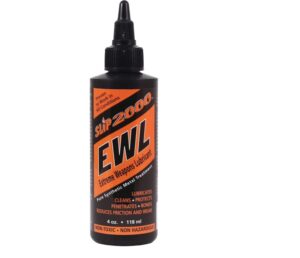
Slip 2000 EWL is a synthetic oil designed to create a strong barrier against rust. Unlike thinner oils that evaporate, it bonds to the surface of the metal and resists being displaced by heat, water, or salt.
Hunters and shooters who live near the coast especially appreciate it, because salty air and humidity are among the toughest challenges for firearms.
Its formula is slick without being sticky, meaning it reduces friction without attracting dust and powder residue.
When applied after cleaning, it penetrates small pores and prevents moisture from creeping in. For shooters who run hundreds of rounds through their rifles, it also holds up under heat without burning off. Slip 2000 is safe for use on metals, plastics, and even wood finishes, which makes it versatile.
Pros
- Creates a long-lasting rust barrier
- Doesn’t evaporate quickly
- Non-toxic and safe on different materials
Cons
- More expensive than basic oils
- Thin coat requires reapplication for very long storage
2) Break-Free CLP
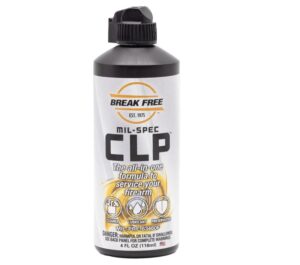
Break-Free CLP is famous for being an all-in-one cleaner, lubricant, and preservative. Its military roots prove its reliability. Soldiers needed one product that could handle cleaning powder fouling, lubricating moving parts, and preventing rust in extreme environments.
For the everyday gun owner, that means Break-Free CLP is practical and easy to use. After cleaning, it leaves a protective film that resists corrosion and keeps actions smooth.
It’s especially useful for people who don’t want multiple bottles cluttering their bench. While it may not give the absolute longest-lasting rust barrier compared to specialized oils, it offers good all-around performance for guns that see regular use.
If you want a do-it-all product that has stood the test of time, Break-Free CLP is dependable and convenient.
Pros
- Works as cleaner, lubricant, and protectant
- Time-tested and trusted by professionals
- Protects against rust while dissolving fouling
Cons
- All-in-ones aren’t as specialized as dedicated oils
3) Ballistol Multi-Purpose Oil
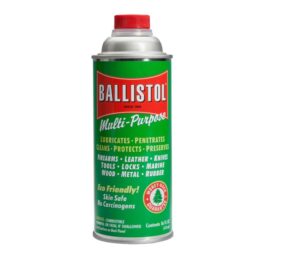
Ballistol has been around for decades, and its appeal lies in its versatility. It doesn’t just protect steel it also conditions wood stocks and leather slings. For shooters who want one product safe on multiple materials, Ballistol stands out.
When it comes to rust prevention, Ballistol emulsifies with small amounts of water, meaning it can displace moisture from the surface of the metal and leave behind a protective layer.
It is also slightly alkaline and neutralizes acids from fingerprints, which are a common cause of small rust spots. While its protective film isn’t the thickest, it’s perfect for routine wiping and light storage. Plus, it’s biodegradable and relatively non-toxic, which makes it a favorite for those who prefer greener products.
Pros
- Safe for wood, leather, and metal
- Neutralizes acidic fingerprints
- Non-toxic and biodegradable
Cons
- Doesn’t provide heavy, long-term protection
4) FrogLube Universal Gun Cleaning Kit
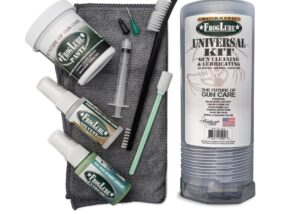
FrogLube comes as a complete kit made up of a bio-based solvent to clean and a lube to protect. The paste is biodegradable and bonds to metal when heated. After application, it leaves behind a film that resists rust and fouling. Many users like that it smells better than petroleum-based oils and is safe to handle indoors.
One of FrogLube’s unique traits is that it creates a dry, slick surface after bonding. This dry film resists attracting dust or grime while still protecting against moisture.
The paste version is especially good for coating bolts, rails, and locking lugs where long-lasting protection is needed. For long-term storage, however, some shooters prefer adding an extra layer of a heavier oil on top.
Pros
- Biodegradable and non-toxic
- Bonds to metal for long-lasting protection
- Dry film reduces fouling buildup
- Comes as a kit
Cons
- Can leave a waxy residue if over-applied
- Requires heat activation for best results
5) Remington Rem Oil
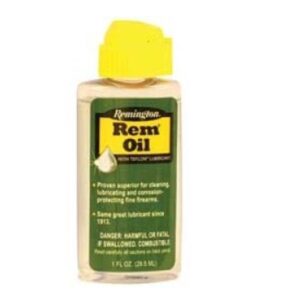
Rem Oil has been a staple in gun cabinets for generations. Its thin, penetrating formula helps it seep into tight spaces and displace moisture, leaving behind a protective coating that prevents rust.
It’s especially useful for hunters who need a quick, reliable oil to wipe down their firearms after exposure to rain or snow.
While it’s not the thickest or most high-tech oil, its affordability and ease of use make it one of the most popular choices. If you want a straightforward product that gets the job done without frills, Rem Oil is hard to beat.
Pros
- Affordable and widely available
- Penetrates well and displaces moisture
- Lightweight and easy to apply
Cons
- Thin coat requires frequent reapplication
- Not ideal for very humid or salty environments
6) M-Pro 7 Gun Oil LPX
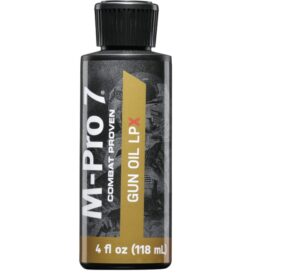
M-Pro 7 LPX is a synthetic gun oil specifically formulated for military firearms, engineered to provide persistent lubrication and reliable corrosion resistance under demanding conditions.
Its LPX additive package produces a low-friction film that resists evaporation, separation, and gumming, so critical components remain protected between maintenance cycles. The formulation penetrates tiny seams and pores, protecting bolt faces, chambers, and other rust-prone areas, while leaving a thin, manageable coating that won’t excessively attract grit.
Temperature stability is excellent: it stays fluid in cold weather and resists burn-off under sustained heat, making it suitable for heavy use and adverse environments.
LPX also offers mild cleaning properties that assist routine upkeep, reducing the need for aggressive solvents during field maintenance.
Pros
- Specifically formulated for military firearms; mil-grade durability.
- Long-lasting, low-evaporation synthetic film.
- Resists gumming and separation; good temperature stability.
- Penetrates tight seams and crevices for rust protection.
- Mild cleaning action aids field maintenance.
- Can be used for long term storage
Cons
- Film can be persistent.
- Pricier
7) Lucas Extreme Duty Gun Oil
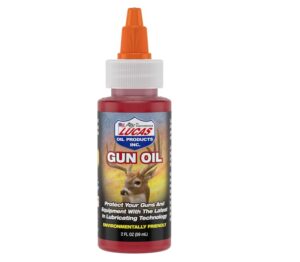
Lucas Extreme Duty Gun Oil is built for firearms that run hot and hard. Its thicker formula creates a durable film that resists burn-off during high rates of fire.
For rust prevention, this heavier film also acts as a moisture barrier, making it well-suited for rifles, shotguns, and pistols that see demanding conditions.
Because it’s thicker, it stays in place longer than light oils, which can be a huge advantage for storage. However, that thickness can also attract more dust if over-applied, so it’s best used in moderation. For shooters who want something that won’t disappear after a long day at the range, Lucas Extreme Duty is a dependable choice.
Pros
- Stays in place under heat and stress
- Excellent for high-volume shooting
- Strong moisture barrier
Cons
- Heavier consistency may attract debris
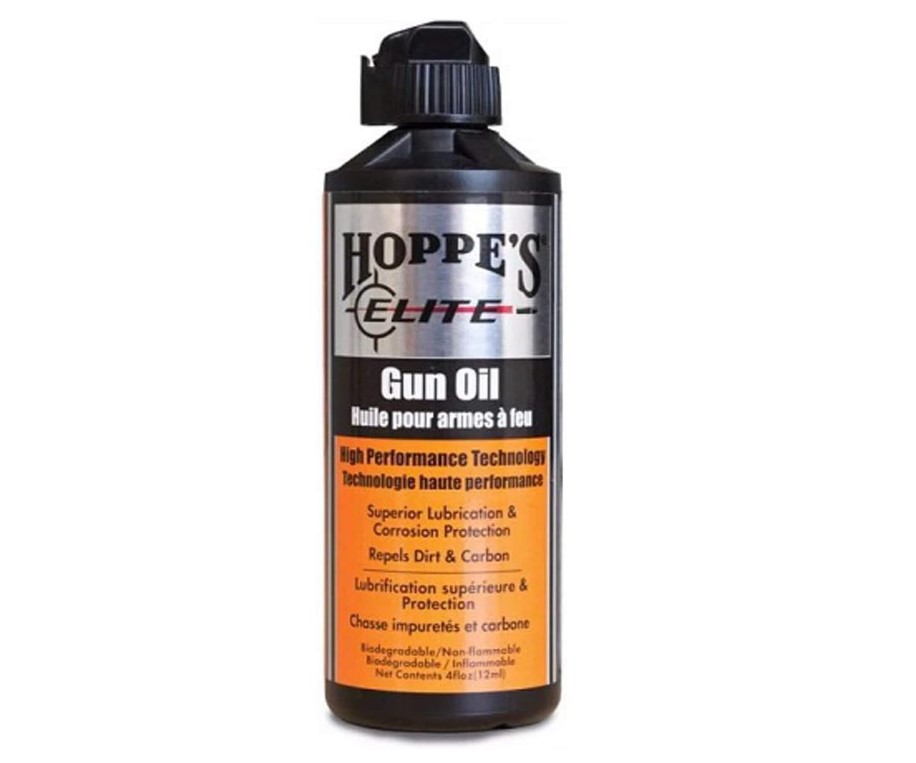
8) Hoppe’s Lubricating Oil
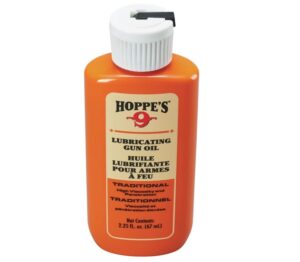
Hoppe’s is a household name in gun care, and their lubricating oil is simple, budget-friendly, and effective. It provides a decent film of protection against rust and is very affordable, making it a great option for people with multiple firearms who oil regularly.
While it doesn’t have the advanced chemistry of newer oils, Hoppe’s oil is trusted because it’s consistent and easy to use.
Apply a light coat after cleaning, and it keeps rust at bay for everyday storage and use. For shooters on a budget, this is a reliable choice that covers the basics.
Pros
- Affordable and widely available
- Easy to apply
- Provides dependable rust protection
- Budget-friendly
Cons
- Lacks advanced additives
- Needs more frequent reapplication in harsh conditions
How to Choose the Best Gun Oil for Rust Prevention (Buying Guide)
These are some of the factors to consider when choosing a gun oil for rust prevention
Film Thickness
Thin oils penetrate and lubricate moving parts well, but they evaporate faster. Thick oils or greases last longer and create a stronger barrier, but they can attract dust. The best choice depends on whether you’re using the gun frequently or storing it.
Temperature Resistance
If you shoot in extreme heat or cold, choose an oil designed to withstand those conditions. Some oils evaporate or gum up when exposed to high temperatures, which can reduce their rust-prevention abilities.
Material Compatibility
Not all oils are safe for wood, leather, or polymer components. If your firearm has a wooden stock or you handle leather gear, choose an oil that won’t damage these materials.
Ease of Use
Aerosols are good for spraying into tight spaces, while dropper bottles are better for precision. Pastes and greases are best for contact points. Pick an application style that matches how you maintain your firearms.
Safety and Environmental Concerns
If you often clean indoors, consider non-toxic or biodegradable oils. They’re safer for you and still provide strong rust protection.
Price vs. Maintenance
Expensive oils often last longer, requiring fewer applications. Cheaper oils may need frequent reapplication. Consider how often you shoot and how many guns you maintain before deciding.
Gun Oil -FAQs
How often should I oil my gun to prevent rust?
It depends on your environment and usage. If you shoot weekly, oil after each cleaning. In humid areas, wipe and oil every few weeks. For long-term storage, apply a thicker protective layer and check the firearm every few months to ensure the coating hasn’t dried out.
Can I use household oils instead of gun oil?
Household oils like motor oil or vegetable oil are not ideal. Motor oil may work temporarily but isn’t designed for rust prevention on firearms. Vegetable oils can turn sticky and rancid. Dedicated gun oils are formulated specifically for corrosion resistance and safe interaction with gun metals.
Do I need to oil the inside of the barrel?
Yes, if the firearm will be stored for more than a short period. Run a lightly oiled patch through the bore to protect it. Always remember to run a dry patch before firing again to remove excess oil.
What’s the best oil for long-term storage?
Heavier oils and lanolin-based products are better for storage because they don’t evaporate quickly. Products like Lucas Extreme Duty or lanolin-based protectants form thick barriers that last longer. Just be sure to clean thoroughly before shooting again.
Is non-toxic oil as effective as petroleum-based oil?
Yes, modern non-toxic oils like Ballistol and FrogLube provide excellent rust protection. They may require slightly different application methods, but they work just as well while being safer for users and the environment.
Final Thoughts
Rust is relentless, but preventable using gun oil. The right oil forms a barrier that keeps your firearm protected, whether it’s riding in a damp duck blind, locked in a safe, or carried daily. The key is consistency; oil your firearms regularly, and rust will never have a chance.
See Also