
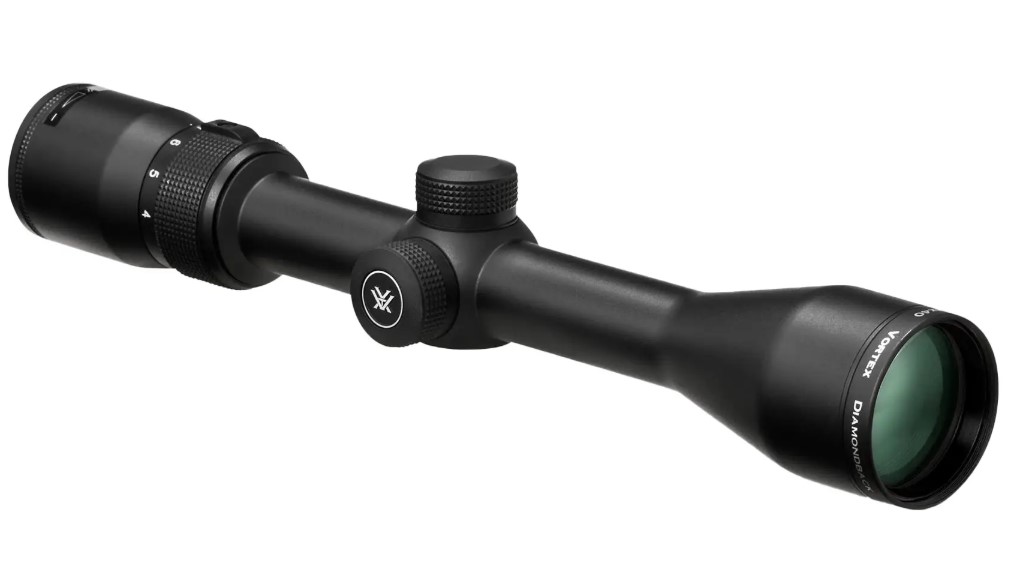
The .270 Winchester has earned its reputation as a flat-shooting, mule-deer-to-antelope classic that also shines on whitetails and plains game.
To get the most from it, you want a scope that’s bright at dawn, tracks true, and stays light enough for long walks.
Below are seven standout options across budgets and feature sets. Each mini-review is exactly 140 words before the pros and cons, followed by a practical buying guide and FAQs to help you choose with confidence.
Good Scope for .270- Top Picks
1) Leupold VX-3HD 3.5-10×40
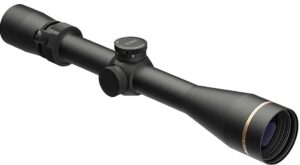
Leupold’s VX-3HD 3.5-10×40 hits the sweet spot for .270 Winchester hunters who want rugged reliability without excess weight.
Images stay bright and contrasty at first and last light exactly when the game moves. Leupold’s CDS-style elevation dial simplifies longer holds once you’ve confirmed a dope card for common .270 loads, and the generous eye relief forgives awkward field positions.
Low-profile capped turrets won’t snag in a scabbard, and the knurled magnification ring is easy to work with light gloves.
Tracking is predictable, return-to-zero is repeatable, and the optic’s compact length balances nicely over a lightweight sporter barrel.
The duplex-style reticles keep the sight picture uncluttered for quick shots, yet still offer useful hold points when needed. If you value dependable mechanics, good glass, and a carry-friendly package, this scope earns its keep season after season.
Pros
- Bright glass for low-light hunts
- Lightweight, compact, great balance
- Forgiving eye relief; easy eyebox
- Reliable tracking and return-to-zero
- Simple, uncluttered hunting reticles
Cons
- 10× top end may feel limiting for long glassing
- CDS dial needs verified drops to shine
- Premium price for the feature set
2) Vortex Viper HS 2.5-10×44
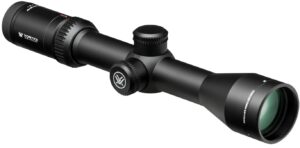
The Vortex Viper HS 2.5-10×44 pairs perfectly with the flat-shooting .270 by keeping weight reasonable while adding a touch of top-end clarity.
The 44mm objective gathers useful light without demanding tall rings, and the forgiving eyebox makes fast shots from kneeling or over sticks easier.
Turrets feel tactile for confirming zero, yet sit low enough to avoid accidental movement in brush. Glass quality steps above entry-level colors, stays true, and edge resolution is respectable at 10x.
The simple BDC reticle offers quick holdovers for common .270 trajectories without clutter, and the side focus sharpens targets past 200 yards. Recoil manners are excellent; the scope holds zero after travel and rough range sessions.
For hunters who split time between timber and fields, this model delivers versatility, confidence, and a clean sight picture in a durable, no-drama package.
Pros
- Versatile 2.5–10× range for woods to fields
- Solid glass for the money
- Side focus; easy to sharpen past 200
- Low, tactile turrets that stay put
- Friendly eyebox for quick shots
Cons
- Heavier than some 40mm competitors
- BDC marks may not match every load
3) Burris Fullfield IV 3-12×42
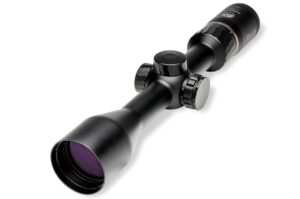
Burris Fullfield IV 3-12×42 delivers the value hunters appreciate: useful magnification, solid mechanics, and dependable zero retention.
On a .270, 3-12x covers dawn woods work and mid-day glassing across open hayfields without adding much mass. The 42mm objective keeps the profile trim while still offering pleasing low-light brightness, and the side focus helps sharpen images beyond 200 yards.
Burris’s E3-style reticle is intuitive simple hash marks for wind and drop keep the view uncluttered. Turrets are capped, clicks are consistent, and tracking stays honest during zeroing. Balance on typical sporter rifles feels right, and the magnification ring turns smoothly with gloves.
If you’re building a practical, affordable .270 for whitetails, mule deer, or antelope, this scope checks the right boxes and leaves budget for tags, fuel, and range time. It shrugs off rain and dust on long, bumpy rides, too.
Pros
- Great value; useful 3–12× range
- Trim 42mm objective rides low
- Clear, simple E3-style reticle
- Side focus adds precision at distance
- Durable, no-nonsense construction
Cons
- Not as bright as premium glass in deep dusk
- Limited reticle choices
4) Bushnell Elite 4500 4-16×44
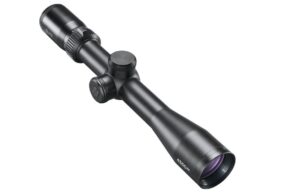
Bushnell Elite 4500 4-16×44 leans toward the open-country .270 hunter who may dial occasionally but mostly prefers clean holdovers.
The scope’s glass shows strong contrast for spotting tan game against dry grass, and coatings resist fog, water, and dust admirably. With 4-16x on tap, you can scan at low power, then zoom for precise placement without losing the target in mirage.
Side parallax and consistent tracking inspire confidence when confirming dope at the range. At 16x, the eyebox tightens but remains manageable from a supported position, and eye relief is steady across the range.
Turrets are low, positive, and protected by caps—ideal for a hunting rifle that rides in trucks and scabbards. If your .270 stretches its legs on bean fields or cutovers, this scope provides reach, clarity, and trustworthy mechanics in a sensible footprint.
Pros
- 4–16× reach for open country
- Contrast-rich image pops against grass and brush
- Weather-resistant coatings; rugged finish
- Side parallax; consistent tracking
- Low, capped turrets for field carry
Cons
- Eyebox tight at 16× without solid support
5) Zeiss Conquest V4 4-16×44
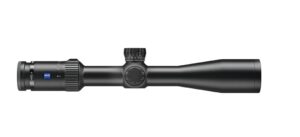
Zeiss Conquest V4 4-16×44 brings premium clarity and repeatable mechanics to a .270 built for longer fields and cutovers.
The image is crisp edge-to-edge with excellent color fidelity, helping pick antlers and ribs out of brush at last light. Zeiss’s consistent turret feel and reliable return-to-zero suit shooters who verify drops and occasionally dial, while hunting-centric reticle options stay uncluttered.
The broad field of view at 4x makes tracking moving deer feasible, yet 16x gives the precision needed for confident hold placement. Side parallax lets you fine-tune beyond 200 yards, and the ocular diopter locks so focus doesn’t drift.
Build quality feels premium without being oversized, balancing nicely on lightweight .270 sporters. If you demand top-tier glass and dependable adjustments in a package still fit for long hikes, this scope justifies its spot on the rifle. Season after season, too.
Pros
- Excellent low-light performance and color fidelity
- True edge-to-edge clarity
- Dependable mechanics; strong return-to-zero
- Locking diopter; side parallax
- Balanced weight for mountain hunts
Cons
- Turret caps may be preferred by some hunters
6) Trijicon AccuPoint 3-9×40
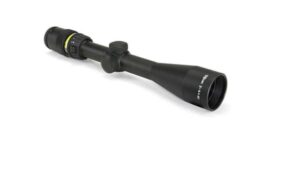
Trijicon AccuPoint 3-9×40 is built for real hunting light gray dawns and shaded timber thanks to its fiber-optic and tritium-illuminated aiming point that needs no batteries.
On a .270, the classic 3-9x range keeps things simple, fast, and durable. The glass is clean and contrasty, and the bright center dot or triangle helps speed shots on moving game without overpowering the sight picture.
Turrets are capped and secure, holding zero through recoil and travel. Eye relief is generous and stable across magnification, which matters from hasty field positions. The reticle stays visible when other optics fade, giving confidence in difficult backgrounds. If your hunts involve still-hunting timber, climbing stands before sunrise, and taking quick, ethical shots inside 300 yards, the AccuPoint offers a rugged, battery-free solution that simply works when conditions are least forgiving.
Pros
- Battery-free illuminated aiming point
- Excellent speed on moving game
- Reliable zero retention
- High-contrast image in dark timber
- Simple, uncluttered hunting reticles
Cons
- 9× ceiling limits very long holds
7) SIG Sauer WHISKEY3 3-9×40
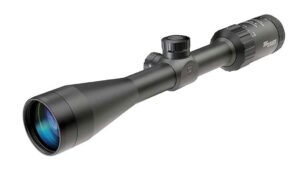
SIG Sauer WHISKEY3 3-9×40 hits the budget sweet spot for a working .270 that must be tough, simple, and effective.
The classic magnification range manages everything from tight woods to 250-yard pasture shots, and the 40mm objective keeps weight and height in check. Image quality is perfectly serviceable at dawn and dusk; edge performance tails slightly at 9x but the center remains sharp.
The Quadplex-style reticle is clean and quick, and capped turrets hold zero through routine bumps. Eye relief is adequate for .270 recoil, and the eye box remains friendly at practical field magnifications.
Set it and forget it is the theme here. Confirm zero, learn your holds, and hunt. For new hunters or spare rifles, this scope delivers honest performance, reliability, and value without unnecessary frills or fragile gimmicks to worry about in the field.
Pros
- Affordable, dependable 3–9× performer
- Capped turrets; holds zero well
- Clean duplex-style reticle
- Manageable weight and size
- Great “spare rifle” or first scope
Cons
- Not as bright as mid-tier glass
How to Pick a Good Scope for a .270
Magnification
For most .270 hunting, 3–9× or 2.5–10× covers 90% of scenarios—tight woods, fast shots, and confident holds to 300 yards. If you often hunt big, open country, a 4–16× scope helps with precise placement at distance and field judging—but expect a tighter eyebox and extra weight.
Objective diameter & mounting height
A 40–44 mm objective balances low-light performance and practical mounting height. Tall objectives push the scope higher, which can compromise cheek weld. The .270’s mild recoil is forgiving, but a good cheek weld makes you faster and steadier.
Weight & balance
Ounces matter on long hikes. Lighter scopes keep a sporter .270 lively in the hands. Heavy, feature-rich optics are fine from blinds or vehicles; for still-hunting or mountain terrain, lean lighter.
Reticle style
Hunting reticles should be clean and intuitive. Duplex or simple BDC designs are ideal. BDC hash marks rarely match your load exactly—confirm your drops at the range and note which subtensions correspond to actual yardages. Wind holds of 1–2 MOA are useful for typical breezes across fields.
Turrets & dialing
Most .270 hunters benefit from capped, low-profile turrets: set your zero and use holds. If you plan to dial occasionally, look for scopes with repeatable tracking, a zero stop, and clearly marked elevation. Test with your actual hunting ammo to confirm that one click is truly one click.
Glass quality & coatings
Low-light is where animals move. Better lenses and coatings yield clearer edges, more contrast in shadows, and less flare toward sunset. You’ll notice the difference when antlers blend with brush or tan hides melt into dry grass.
Eye relief & eyebox
A forgiving eyebox lets you snap to the shot from odd angles—common when shooting off sticks, a pack, or a tree limb. Look for consistent eye relief across the zoom range; your sight picture shouldn’t vanish when you touch the power ring.
Parallax/side focus
On 10× and higher, side parallax is handy for crisp edges and precise shot placement past ~200 yards. For pure woods rifles at 3–5×, it’s less critical.
Durability & weatherproofing
Hunts are hard on gear. Prioritize shockproof, waterproof, fog-resistant builds with proven reputations for holding zero after travel and recoil. Knurled controls you can run with gloves matter more than flashy spec sheets.
Illumination
Battery-free illumination (e.g., tritium/fiber-optic) is ideal for true hunting light and won’t die at the trailhead. Electronic illumination is nice in snow or against dark timber—keep it simple and daylight-visible, not a Christmas tree.
Budget
Spending more does improve glass and mechanics, but smart hunters can tag out for years with a mid-priced scope that fits their style. Decide where you hunt, how far you shoot, and which features you’ll actually use. Then buy once, cry once—on the right model, not necessarily the most expensive.
Frequently Asked Questions (FAQs)
What magnification is best for a .270
A 3–9× or 2.5–10× is the sweet spot. You get a wide field at low power for close cover and enough top end for 250–300-yard shots in fields. If you rarely shoot past 300 yards, there’s little need to go bigger.
Do I need a 50 mm objective for low-light performance?
Not necessarily. Modern coatings and good glass on a 40–44 mm objective can be excellent at dawn and dusk. Larger objectives add weight, require taller rings, and can hurt cheek weld. Prioritize quality glass over sheer diameter.
Should I dial elevation or use holdovers with a .270?
For most hunts, holdovers with a simple BDC or duplex are faster and reduce complexity. If you frequently shoot past 350–400 yards, a scope with repeatable turrets and a zero stop is helpful, just confirm your dope at the range.
Second focal plane (SFP) or first focal plane (FFP) for a hunting .270?
SFP is common and keeps the reticle bold at low power for fast shots. If you prefer precise hold values at any magnification and shoot more open country, FFP can help—but it adds cost and the reticle can get thin at low power.
How important is side parallax on a hunting rifle?
It’s useful beyond ~200 yards and on 10× or higher magnifications, sharpening the image and reducing parallax error. For a woods-leaning setup that lives around 3–6×, it’s nice-to-have, not mandatory.
What ring height should I choose for a 40–44 mm objective?
Generally low to medium rings, depending on your rifle’s rail and bolt handle clearance. Mount as low as practical while maintaining bolt clearance and a full sight picture. A consistent cheek weld beats extra magnification every time.
How should I zero a .270 for typical deer hunting?
A 200-yard zero works well for many loads, keeping you within the vital zone to ~250–275 yards with minimal holdover. Always confirm the actual trajectory with your specific ammo and altitude/temperature conditions.
Final Thoughts
A “good scope for a .270” combines balanced magnification, honest mechanics, and dependably bright glass in a package you won’t mind carrying all day. If you want ultralight and proven, the Leupold VX-3HD is hard to beat. For a strong value jump in glass, the Vortex Viper HS and Burris Fullfield IV deliver.
Related