
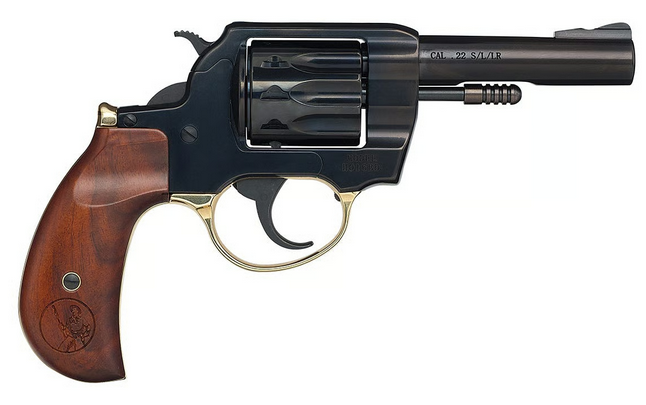
If you’ve spent any time around gun conversations, you’ve probably heard the terms single action and double action tossed around like shorthand for “this one’s for experts” or “that one’s for beginners.”
At their core, these labels describe how a pistol’s trigger and hammer work together, but they also shape how a gun feels in the hand, how you train with it, and what it’s best suited for.
Here’s a friendly, factual breakdown to help you understand the difference and decide which might suit you.
What’s The Difference?
1) Single-action (SA)
A single-action (SA) pistol requires the hammer to be cocked before a shot can be fired; the trigger’s job is only to release the hammer. That means the trigger pull is usually light and short.
Single-action triggers are often praised for their crispness and minimal travel. That precision is why many competitive shooters and target shooters prefer SA designs. Classic examples include many old-school revolvers and designs inspired by them.
2) Double-action (DA)
A double-action (DA) pistol allows the trigger to perform two jobs. Cocking the hammer and releasing it. Pulling the trigger can both cock and let the hammer fly, which typically results in a longer, heavier trigger pull.
Double-action pulls, by contrast, are longer and heavier, which can slow down a first shot but may reduce accidental discharge risk because the heavier pull is less likely to be triggered unintentionally.
3) Double Action/Single Action
Some guns are DA/SA, meaning they can be fired in double-action for the first shot, and single-action for subsequent shots, because the slide’s cycling from recoil cocks the hammer, making the next shots single-action.
The Tradeoffs
Safety
DA’s heavier initial pull is sometimes viewed as a passive safety measure; it’s harder to pull accidentally. SA designs often rely more on manual safeties or on the shooter’s discipline.
Speed
SA tends to win for follow-up accuracy because the trigger is lighter once the hammer is cocked. DA/SA hybrids try to balance a safer initial pull with faster subsequent shots.
Consistency
Some shooters prefer a consistent trigger feel for every shot. Others appreciate the DA/SA combination for its compromise between safety and shootability.
Difference Explained
Final Thoughts
Single-action and double-action pistols offer different compromises between trigger feel, safety, and user experience. SA delivers a light, precise trigger while DA offers a heavier, safer initial pull. Many users land on a hybrid approach with the DA/SA. The right choice depends on your comfort and the legal and safety context where you live.
Related