
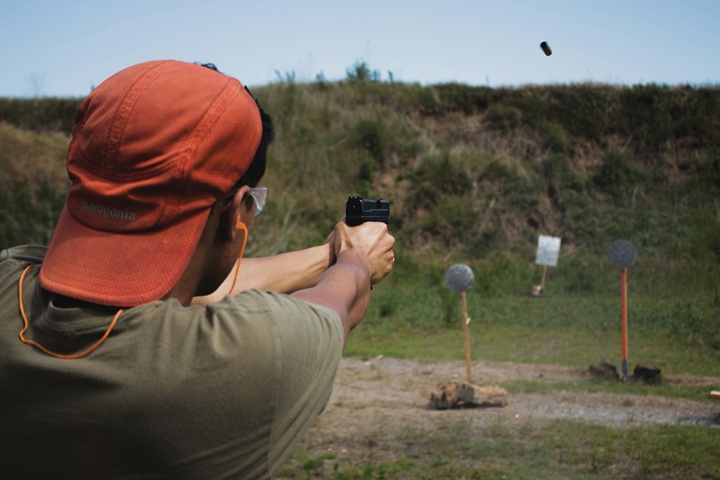
The comparison between the 9mm and the .45 ACP is one of the most discussed topics among firearm enthusiasts, and it continues to spark debate for good reason. Both cartridges have stood the test of time and proven themselves in military, law enforcement, and civilian use. However, while they may serve similar purposes, they differ significantly in design, performance, and overall shooting experience. Understanding these differences in a clear and practical way helps you make a more informed choice based on your needs rather than relying on outdated myths.
Features Comparison
| Feature | 9mm (9×19mm) | .45 ACP |
| Bullet Diameter | 0.355 inches | 0.452 inches |
| Bullet Weight | 115–147 grains | 185–230 grains |
| Velocity | 1,100–1,200 fps | 800–900 fps |
| Chamber Pressure | 35,000 PSI | 21,000 PSI |
| Magazine Capacity | 15–17+ rounds | 7–13 rounds |
Cartridge Size and Overall Design
The most noticeable difference between the 9mm and the .45 ACP begins with their physical size and structure. The 9mm cartridge is slimmer and more compact, designed for efficiency and higher capacity. In contrast, the .45 ACP is larger and wider, built around a heavier bullet that emphasizes impact. This difference in size directly affects how each round performs and how firearms chambered for them are designed.
Because the 9mm is smaller, it allows manufacturers to produce pistols with higher magazine capacities without increasing grip size significantly. On the other hand, the larger dimensions of the .45 ACP mean fewer rounds can fit into a magazine, and firearms chambered in this caliber often have a slightly bulkier feel. This fundamental design difference sets the stage for all the other distinctions between the two cartridges.
Ballistics and Performance
When it comes to performance, the 9mm and .45 ACP take two different approaches to achieving effectiveness. The 9mm typically fires lighter bullets at higher velocities, which allows it to rely on speed and expansion to deliver its impact. In contrast, the .45 ACP uses heavier bullets that travel at slower speeds, relying more on mass and diameter to create force.
Despite these differences, both cartridges produce similar levels of energy in real-world conditions. This means that while they achieve their results differently, their effectiveness can be quite comparable, especially when modern ammunition is used. Advances in bullet design, particularly with hollow-point technology, have made the 9mm far more capable than it once was, reducing the performance gap that historically favored the .45 ACP.
Recoil and Shooting Experience
One of the most important practical differences between these two calibers is how they feel when fired. The 9mm is widely known for its manageable recoil, which makes it easier to control during rapid shooting. This lower recoil allows shooters to maintain better accuracy and recover quickly between shots, which is especially important in high-pressure situations.
In comparison, the .45 ACP produces a heavier recoil that is often described as a strong, steady push rather than a sharp snap. While experienced shooters can manage this effectively, it generally requires more effort and practice to maintain the same level of control. As a result, many shooters find the 9mm more comfortable for extended range sessions and faster follow-up shots.
Magazine Capacity and Practical Use
Magazine capacity is another area where the differences between these two cartridges become very clear. The compact size of the 9mm allows firearms to hold significantly more rounds, which is a major advantage in both defensive and training scenarios. Having more rounds available without reloading can provide a sense of security and convenience that is hard to ignore.
In contrast, the larger size of the .45 ACP limits how many rounds can fit into a magazine. While this does not necessarily reduce its effectiveness, it does mean that shooters must be more mindful of their ammunition count. For many people, especially those who prioritize capacity, this is one of the key reasons they lean toward the 9mm.
The Reality of Stopping Power
The concept of “stopping power” is often at the center of the 9mm versus .45 ACP debate, but it is also one of the most misunderstood aspects. Traditionally, the .45 ACP has been viewed as more powerful due to its larger bullet diameter and heavier weight. While this does contribute to its reputation, it does not automatically make it superior in every situation.
Modern advancements in ammunition have significantly improved the performance of the 9mm, allowing it to expand effectively and deliver reliable results. As a result, the difference in stopping effectiveness between the two calibers is much smaller than it once was. In practical terms, factors such as accuracy, shot placement, and consistency play a far greater role than the caliber itself.
Cost and Accessibility
Cost is an often overlooked but very important factor when comparing these two cartridges. The 9mm is generally more affordable and widely available, making it a practical choice for regular training and high-volume shooting. Lower ammunition costs mean shooters can practice more frequently, which ultimately leads to better skill development.
On the other hand, the .45 ACP tends to be more expensive due to its larger size and heavier components. Over time, this difference in cost can add up, especially for those who spend a lot of time at the range. For many shooters, the affordability of the 9mm becomes a deciding factor simply because it allows for more consistent practice.
Choosing Between the Two
Choosing between the 9mm and the .45 ACP ultimately comes down to personal preference and intended use. The 9mm is often favored by those who value higher capacity, lower recoil, and cost efficiency, making it an excellent choice for everyday carry and regular training. In contrast, the .45 ACP appeals to shooters who prefer a larger, heavier bullet and appreciate the traditional feel and performance it offers.
Both cartridges are capable and reliable, and neither one is inherently better than the other in all situations. The key is to choose the option that you can handle confidently and shoot accurately. When you focus on control, consistency, and proper technique, either caliber can serve you exceptionally well.
Final Thoughts
The difference between the 9mm and the .45 ACP is not about which one is superior, but rather how each one meets different needs and preferences. In the end, the best choice is the one that feels right in your hands and performs reliably when it matters most. A well-informed decision, backed by practice and familiarity, will always outweigh caliber debates, no matter how long they have been around.
Related